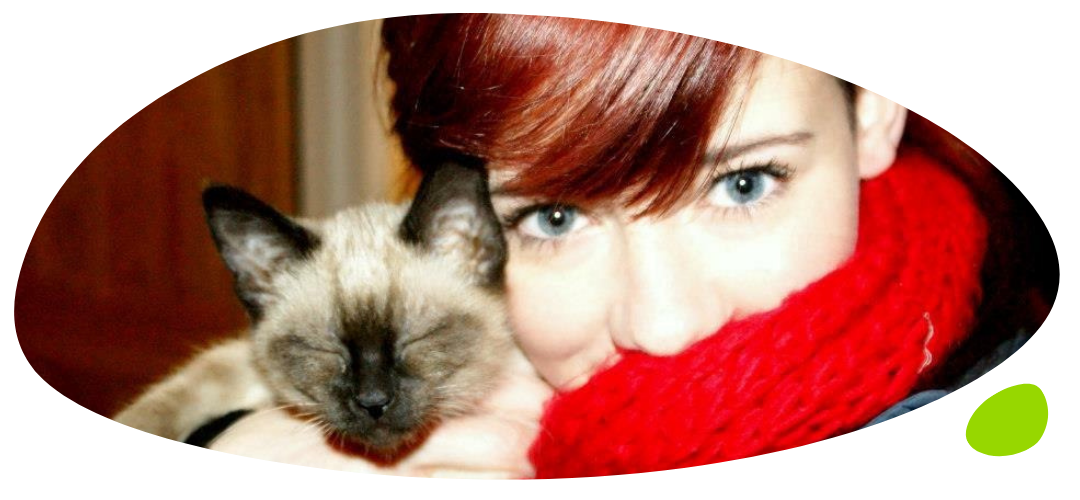
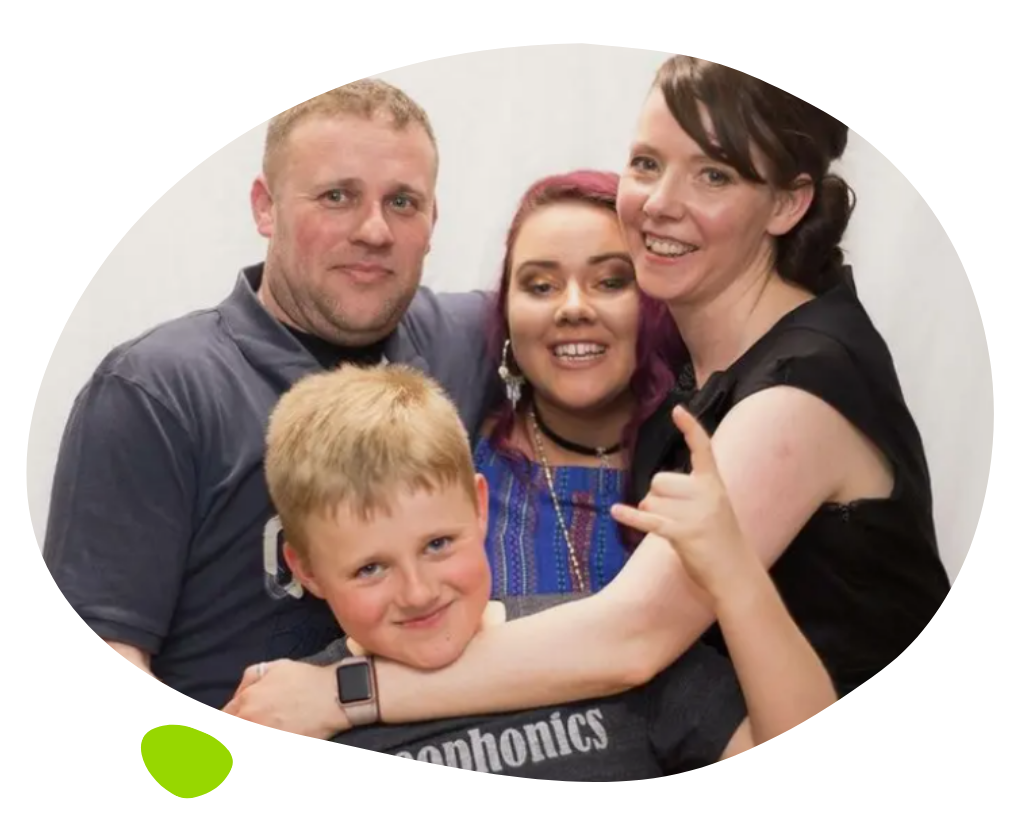
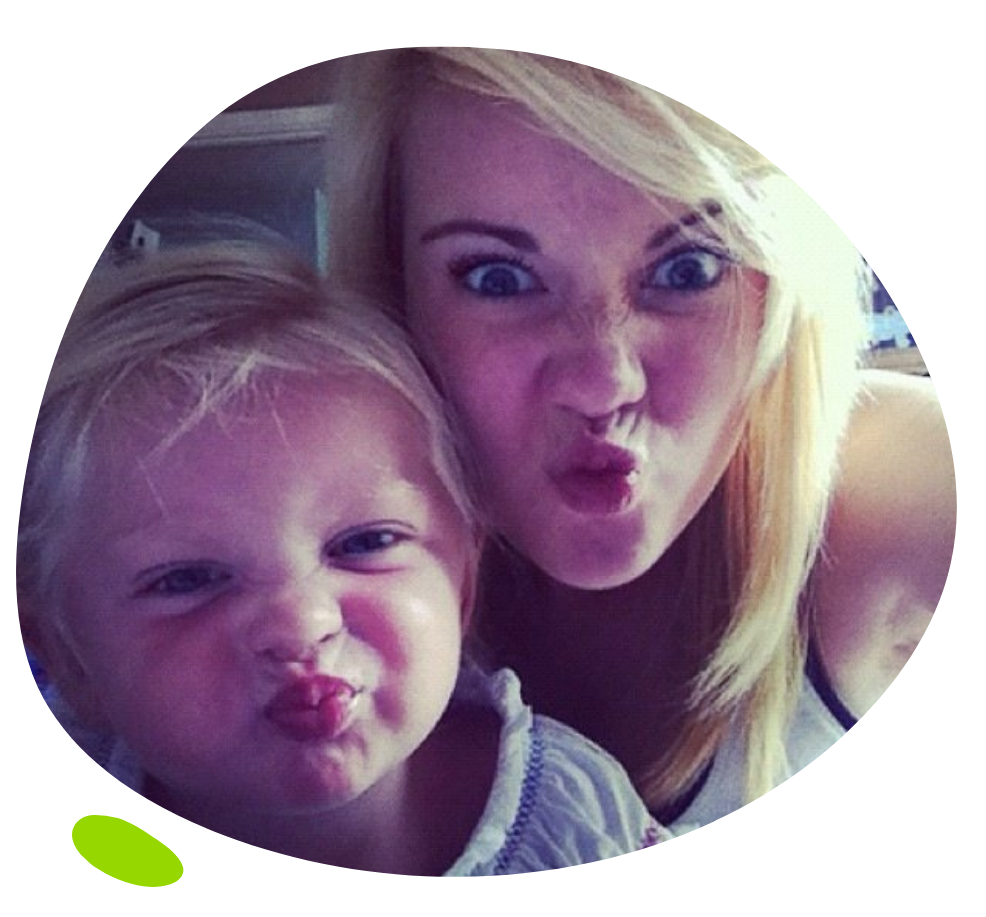
Tizzy's mission is run by her loving family. Her story shows how the symptoms of mitochondrial disease can suddenly appear at any point, changing lives forever and bringing isolation and loneliness.
Tirion, known as Tizzy, had a normal childhood health wise, often enjoying long dog walks in the countryside and spending time with friends. She was a funny, lovable nightmare with absolutely no sign of any ill health or the terrible diagnosis to come.
Tizzy started having headaches over the summer of 2013, not long after her 18th birthday in May. We put it down to hormones, working and burning the candle at both ends. A few visits to the doctor concluded it might be migraines.
Not long after, she woke up unable see properly, and her head was incredibly painful. I had some big meetings in work that day, so I left her with the doctor’s phone number to get an emergency appointment. I didn’t think anything untoward at the time. She texted me to tell me she had an appointment, and her dad (Steve) was going to take her, so I just waited, expecting her to call me to say she’d been given stronger painkillers and maybe was going to be referred to see a specialist.
Steve called me later and frantically
told me that Tizzy had suffered a seizure.
I don’t remember much about that journey home but when I got to the doctors, she’d had two more seizures and a paramedic was having to hold her down as she was refusing to have an IV put in – she didn’t like needles.
As she went into another seizure, the paramedic got the IV in and administered drugs to stop the seizure. In hospital, things seemed to calm, and the doctors were planning on discharging her. However, she started having seizures again, one after another – I lost count after 10.
As her seizures rapidly worsened, Tizzy spent four months in hospital where doctors considered and tested for many possible diagnoses such as cancer and ‘mad cow’ disease.
It took 6-8 weeks before we got the shattering
news that she had mitochondrial disease.
It was a variant called POLG1. Even once she was diagnosed, our confusion continued as we hadn’t even heard of it before. To then find out that there was no treatment or cure was heartbreaking. We found out that Steve and I were carriers, meaning we were unaffected ourselves but had passed it on to Tizzy.
From diagnosis, Tizzy had five years with some good spells where she could function relatively normally, but her seizures got worse and more frequent and needed controlling through very heavy medication.
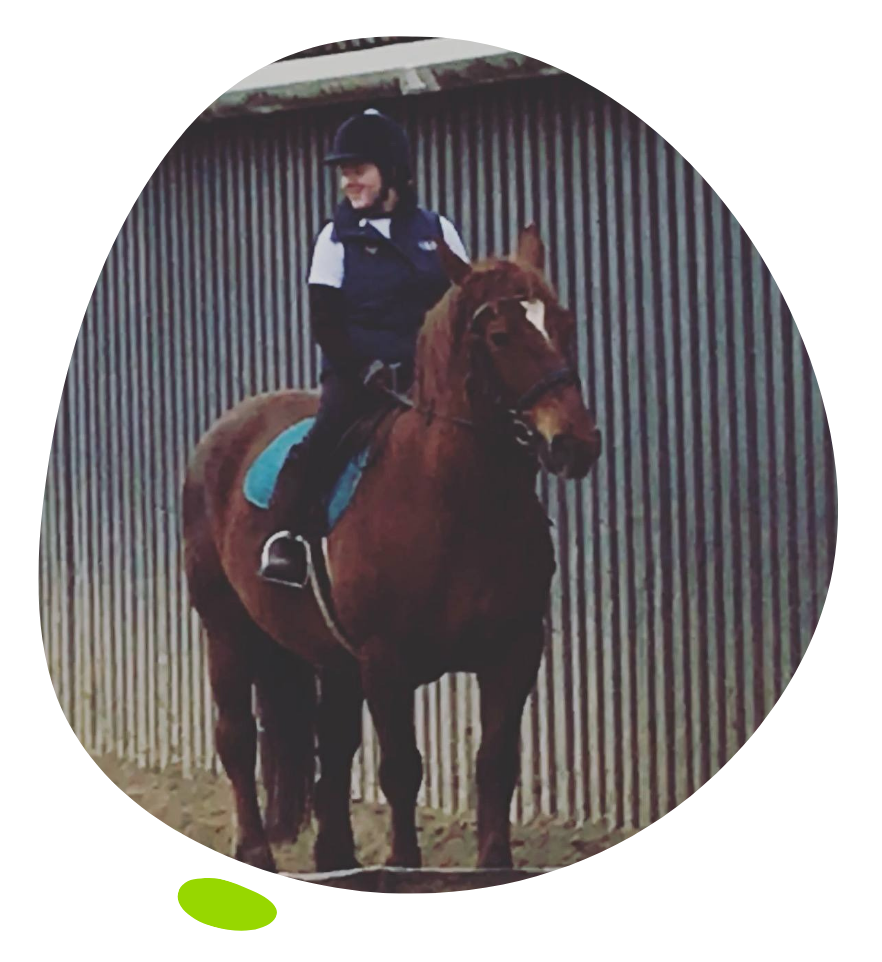
Diagnosis didn’t hold Tirion back and she lived as much of her life as she could. She even learnt to ride a horse, holding on tight to the horse’s neck if she had a seizure.
In February 2018, Tizzy deteriorated. She couldn’t walk without help, and began hallucinating, suffering from a form of postictal psychosis, which often occurs after a cluster of seizures.
A month later, she was bed-bound in the Royal Gwent Hospital in Newport, repeatedly fighting off infections.
Although she was only 22, she was so brave,
telling doctors she didn't want more medicine to prolong her life.
She just wanted palliative care as she didn’t want to live if she could do nothing for herself. Eventually, she got a chest infection and within a couple of weeks, she was gone.
Throughout Tizzy’s illness, we often felt so lonely and unsupported. I almost wished she had a more widely known illness like cancer, just so we could access the many charities and support groups. Our nearest specialist mito clinic was five hours’ drive away in Newcastle.
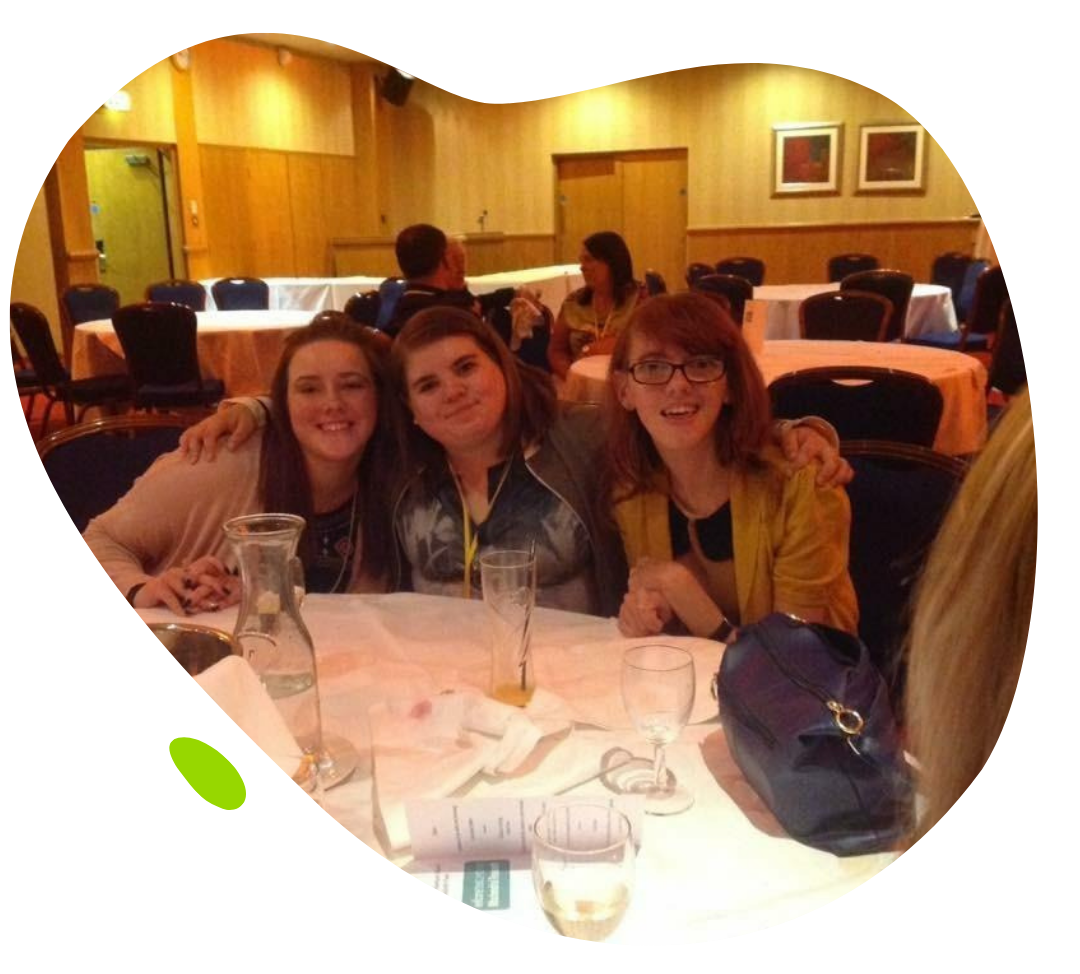
Tizzy told me that she felt she had “deleted her profile from life”, as many of her friends drifted away when she became ill.
Mitochondrial disease literally strips everything away. It is heartbreaking to watch. Young adults lose all their friends; they can’t go out and they can’t do anything for themselves.
Since losing Tizzy, I feel like I have a huge gaping hole in my heart. The house is so quiet, and often I will say something to her, forgetting she’s not there.
Our mission is to raise awareness
and power more support
for those impacted by mito, so that nobody must go through the isolation and loneliness that Tizzy did.
We’re launching on what would have been
her 30th birthday as a tribute to Tizzy.
Our very special, sassy girl is incredibly missed by us all, every single day.
Any support you could give will be so appreciated.
Get involved and
support Tizzy's cause.
Any funds raised by Tizzy’s mission goes to My Mito Mission’s central funds to be granted towards research and support projects to benefit everyone affected by mito.
Spreading the word, following, sharing, as well as donating and raising funds are all really helpful and valued. From running a race to holding a bake sale, hosting a collecting can to giving out Tizzy’s Mito Mission leaflets – there are so many ways in which you can get involved.
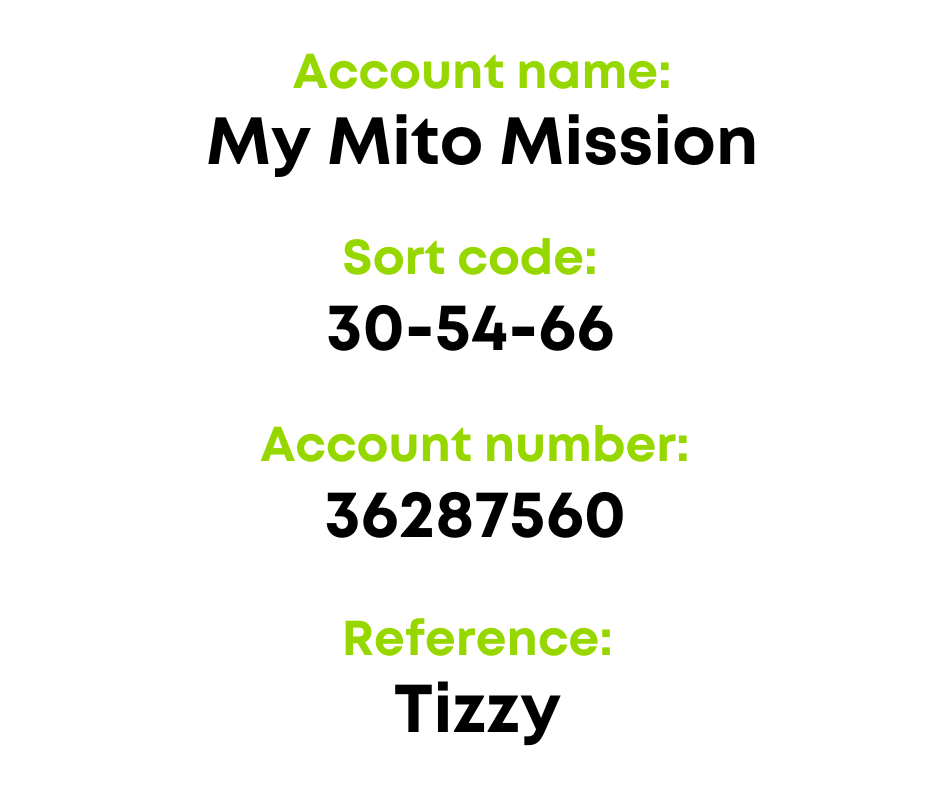
If you’d simply like to donate to Tizzy’s mission, choose a way that suits you below.
Be a Part of Project 1000 Strong
Regular donations are the most powerful way to support our vital work, allowing us as a small, high-energy charity to plan and build from a strong foundation.
Strengthening the future of mito awareness, support and research.
We need a 1000 strong team of amazing people to donate any amount from just £2 a month. 1000 is a lot, but – one by one – we know that we can reach it. Find out more here.
Support Tizzy by Joining Project 1000 Strong!
For any other amount or frequency (eg weekly, quarterly, annual), simply contact us
Fundraise for Tizzy’s Mito Mission
We’d love your support with our fundraising… and we can provide supporting materials. Just ask!
Set up a fundraising page (Use the orange ‘Fundraise For Us’ button)
Set up a Facebook fundraiser by clicking above and searching for 'My Mito Mission'
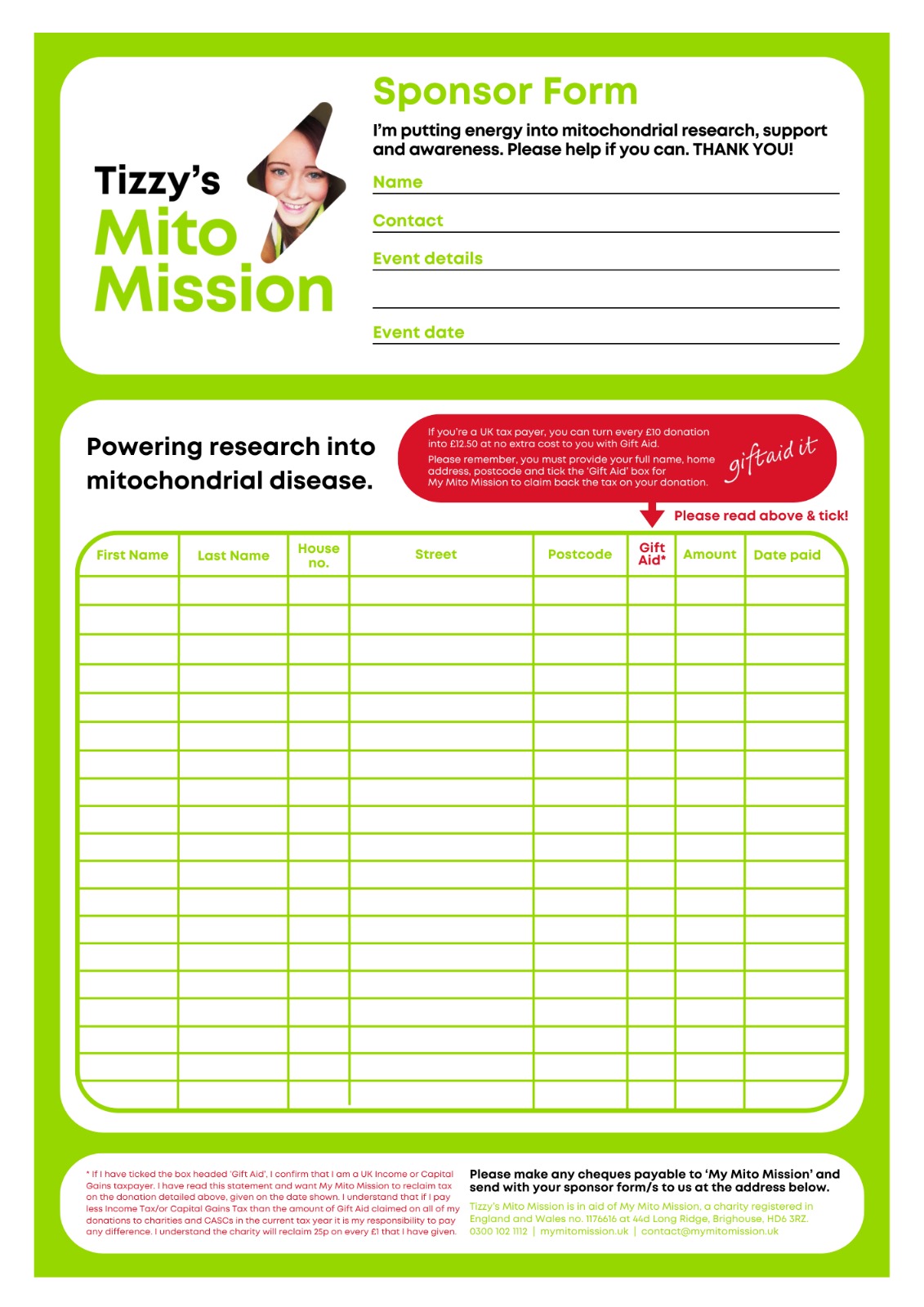
Download a sponsor form to print off by clicking the image above
Support materials such as buckets, cans, leaflets and more
Ask anyone you know to have a Change Box, Small change - Big difference!
Fundraise and shop!
Find our ebay shop easily by clicking 'Save seller'
Visit our second hand clothing shop and follow our account
Support us by purchasing something from our Amazon Wishlist
Support us for free at 100s of stores - click the ‘Find your charity’ button
Click the heart under our charity number to set us as your favourite charity
Other ways you can support us
Nominate Tizzy's mission for support at your work or club
Collect saleable, used items that we can sell in our ebay shop
Check out the merch in our shop to raise awareness and funds
Let us talk to your organisation about our cause
Come to our events and help us raise vital mito awareness and funds
We use cookies on our website to give you the most relevant experience by remembering your preferences and repeat visits. By clicking “Accept”, you consent to the use of ALL the cookies.
This website uses cookies to improve your experience while you navigate through the website. Out of these, the cookies that are categorized as necessary are stored on your browser as they are essential for the working of basic functionalities of the website. We also use third-party cookies that help us analyze and understand how you use this website. These cookies will be stored in your browser only with your consent. You also have the option to opt-out of these cookies. But opting out of some of these cookies may affect your browsing experience.
Necessary cookies are absolutely essential for the website to function properly. This category only includes cookies that ensures basic functionalities and security features of the website. These cookies do not store any personal information.
Any cookies that may not be particularly necessary for the website to function and is used specifically to collect user personal data via analytics, ads, other embedded contents are termed as non-necessary cookies. It is mandatory to procure user consent prior to running these cookies on your website.