George's

Mito Mission

Based in Knaresborough

Hello, I’m George from Knaresborough, North Yorkshire. My story shows how adult onset mitochondrial disease can impact upon family life, in our case, when it's a parent whose affected.

Read

Read arrow

George's

Story.


August
2024

George's Mito Mission | George with mum

I was probably around 12 when I first realised something wasn’t right with mum’s health. Her eyesight had been deteriorating, she couldn’t get her driving licence renewed and her gradual sight loss was now very much affecting our daily lives. She’d also been diagnosed with diabetes a couple of years previously.

Into my early teenage years, mum was becoming more and more poorly with no real answers as to what was going on.

When I was 15, mum told us that she'd been

diagnosed with mitochondrial disease in 2013.

She assured us that we hadn’t inherited it, but we have no written details of the diagnosis, so we don’t know for sure and neither do we know if a specific gene or type of mito was identified. My parents didn’t tell me that it was life-limiting back then in the sense we might lose her soon, but they did tell us that there’d likely be continued deterioration. I’m not sure whether they had any indication of mum’s prognosis or not, or if they were understandably shielding us.

Had any signs been there earlier that mum might have had something like mitochondrial disease? Yes, with hindsight – although I didn’t particularly see it as a child. She had an active early adulthood and in fact was an army officer at Sandhurst but there was a story of how she’d walked into a tree on night manoeuvres, which although funny in a way, may well have been related to her illness, as ‘clumsiness’ can in some cases be an early indicator of mito. My relatives and family friends tell me that looking back, mum was often too tired to attend social events and also generally ‘under the weather’ a lot. When she became pregnant with my older brother William, she struggled with the physical demands of pregnancy and he was born three months prematurely. When she was carrying me, she struggled again so had plenty bed rest but still I was born at 6-month gestation and was very poorly for a while. It caused mild cerebral palsy and significant developmental delays for me. For instance, I was 3 or 4 before I could walk or talk.

George with parents

Dad was increasingly becoming mum's carer

and being both mum and dad to me and Will.

Like many people with the mitochondrial disease, mum would have periods where things seemed fairly stable, but then would become worse with new symptoms appearing such as increasingly debilitating fatigue, walking, balance and memory issues. Whereas I had grown up with a disability, mum found it hard to adjust- but at least it was something we could talk about and work through together.


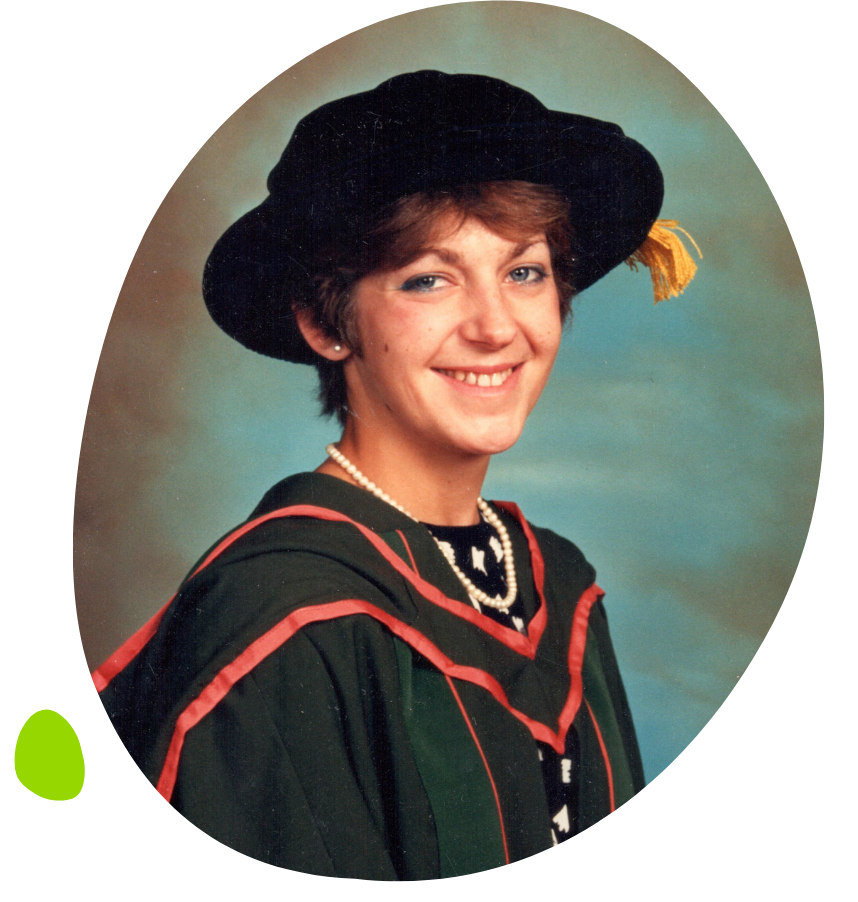
George's Mito Mission graduation photo
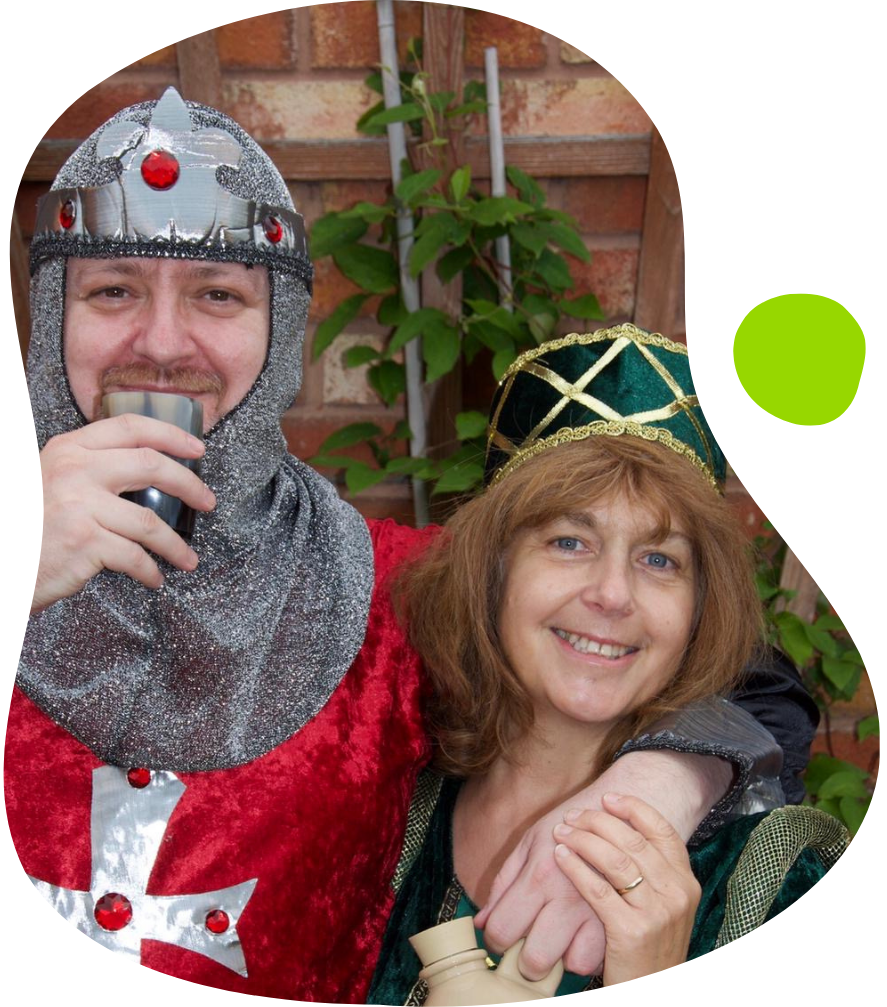
George's mum in Roman clothhes
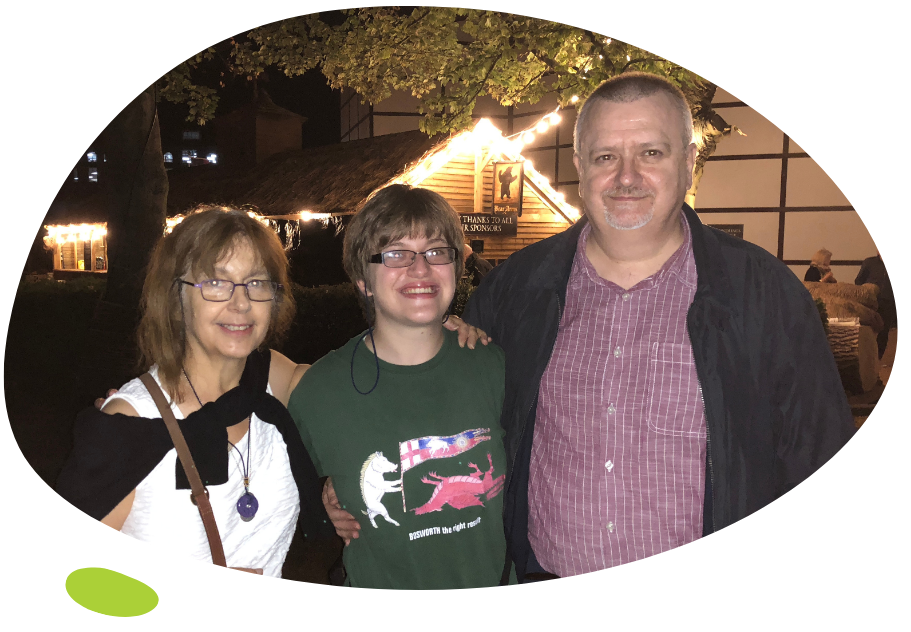
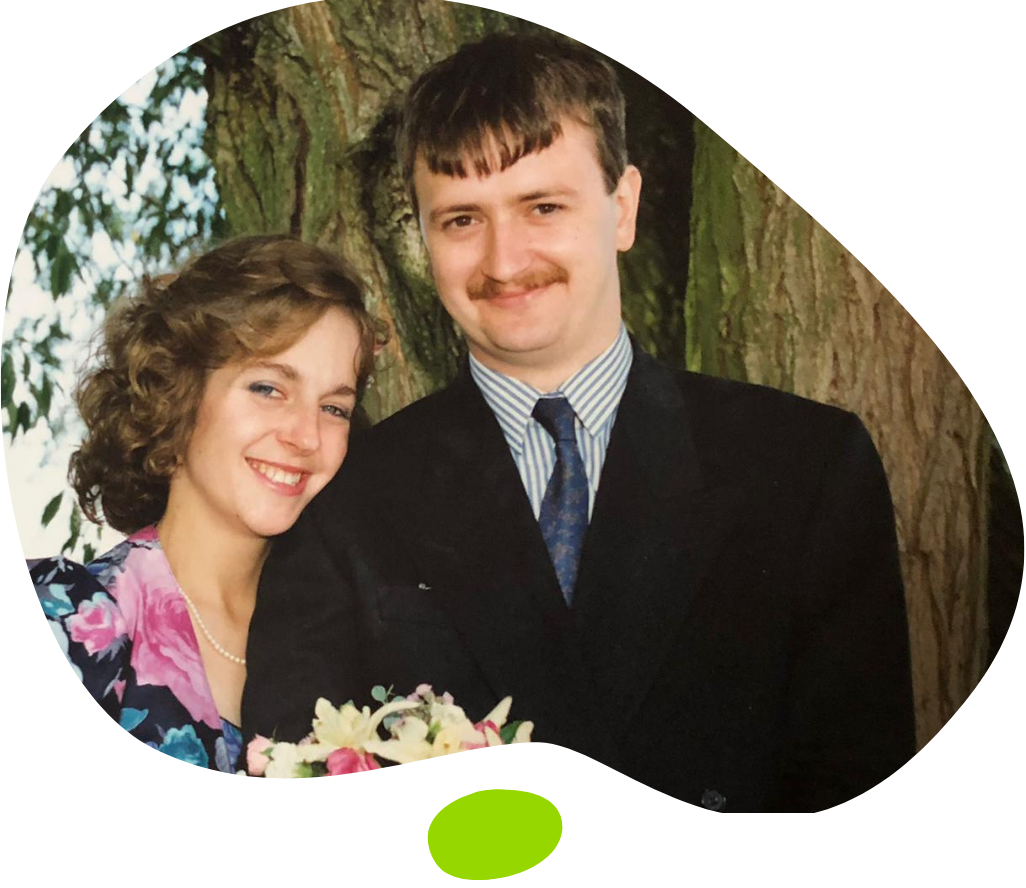
George's Mito Mission George's parents

Alongside the cerebral palsy and mum’s health challenges, I’d been diagnosed with autism and these combined to delay my progression to further education. However, in 2018 I was really looking forward to starting university to study history. The summer saw us on holiday as a family in the same place we’d been the year previously and it was very evident how much mum’s health had deteriorated in just 12 months. It was scary and I remember dad reassuring us, ‘As long as I’m here, you won’t have to care for mum’. Dad had always been prone to headaches and they’d become particularly severe earlier that year, but tests hadn’t found anything. That September he had a major stroke, and within days, he died. It was an unbelievable shock. He was only 56.

I knew my dad would have still wanted me to go to uni, but it was an incredibly difficult time. Mum did her very best to reassure us saying, ‘we’ll get through it’, but she was naturally devastated and very negatively impacted by dad’s passing both mentally and physically.

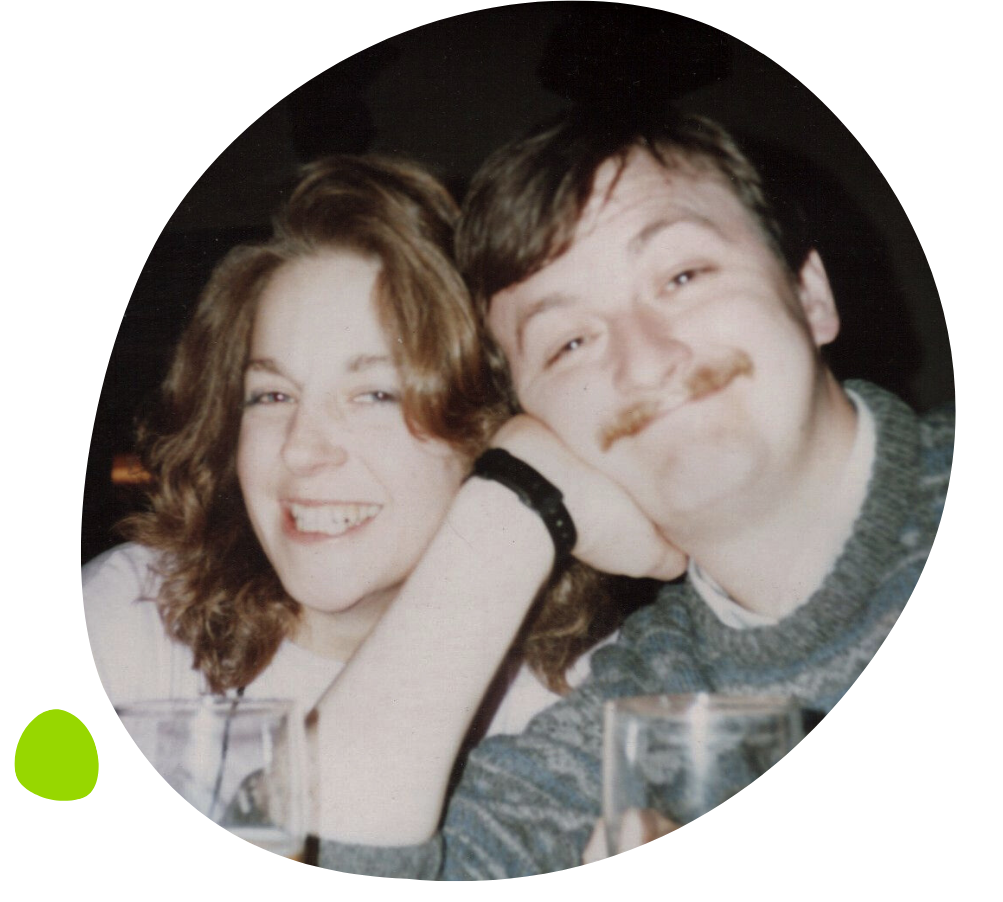
George's mum and dad

I remember feeling very much like I’d been orphaned, because I’d lost my dad and mitochondrial disease was already robbing me of my mum too.

By early 2020 the deterioration was such that

mum needed care pretty much around the clock, including nursing care.

She was admitted to a local care home on 20th March, aged just 59. We visited on Mother’s Day 22nd and arranged to come again the following day, Will’s birthday … when suddenly the world locked down due to the pandemic and we couldn’t go and see her.
It was around a year before single visitors were allowed and I was finally able to go back to the care home. It was shocking how much mum had deteriorated. She couldn’t talk, was very limited physically and it was difficult to engage with her – especially around the restrictions where we weren’t supposed to touch or hug. I did my best to juggle my studies with seeing mum. Thankfully, my university were incredibly supportive, and that really helped me through. In Sept 2021 when visiting was fully back, Will took over being mum’s main visitor so that I could throw myself into my final year and degree work. Also around that time, we were told by the care home that there was a dementia diagnosis on mum’s records which we’d known nothing about. It explained a lot and we wish we’d known much earlier.

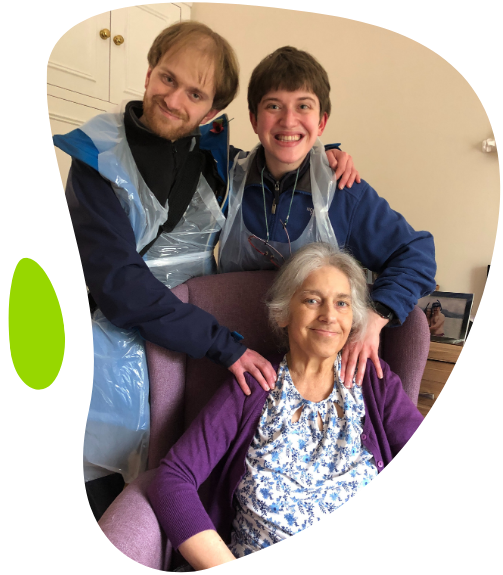
George Will & Mum photo

In November, we were given a prognosis of up to six months. I did my best to have my dissertation prepared as early as possible. I went home for the Easter holidays mid-March and it was clear that mum’s death may not be far away now. I was reluctant to return to uni but did so – with a ‘pick up and go bag’ permanently packed. The call came in late April, almost exactly six months after the prognosis was given and I had just a few hours with mum before she died aged just 61.

In many ways, it feels like the time immediately following dad’s passing was the last time I saw mum, or at least mum something like her normal self, so it’s almost like they died at the same time even though a few years apart.

Mitochondrial disease has had a

massively detrimental impact on my life.

My own disability is suspected to be a result of mito in the respect that mum couldn’t carry me to term because of its impact on her body. My being born so prematurely led to all the fragility that brings, including a stroke at just 5 days old and its effects, including the cerebral palsy. So far as my childhood and adult memories go, those of my dad are overall very happy ones, but my memories of mum are inevitably intertwined with her illness and feelings of needing to look after her, rather than her being able to care for me – with all the complex feelings that brings. Whilst other students at uni were ‘eye rolling’ about their parents being overly-attentive and protective, mine were unfortunately unable to be there for me.

I know that everyone’s circumstances are different, but I hope that my story has given some insight into what it can be like having a parent with mito. It’s been very tough, yes – but having to cope with everything has made me resilient and I’m glad that it’s enabled me to be understanding and supportive for other people in my life who may be going through life challenges.

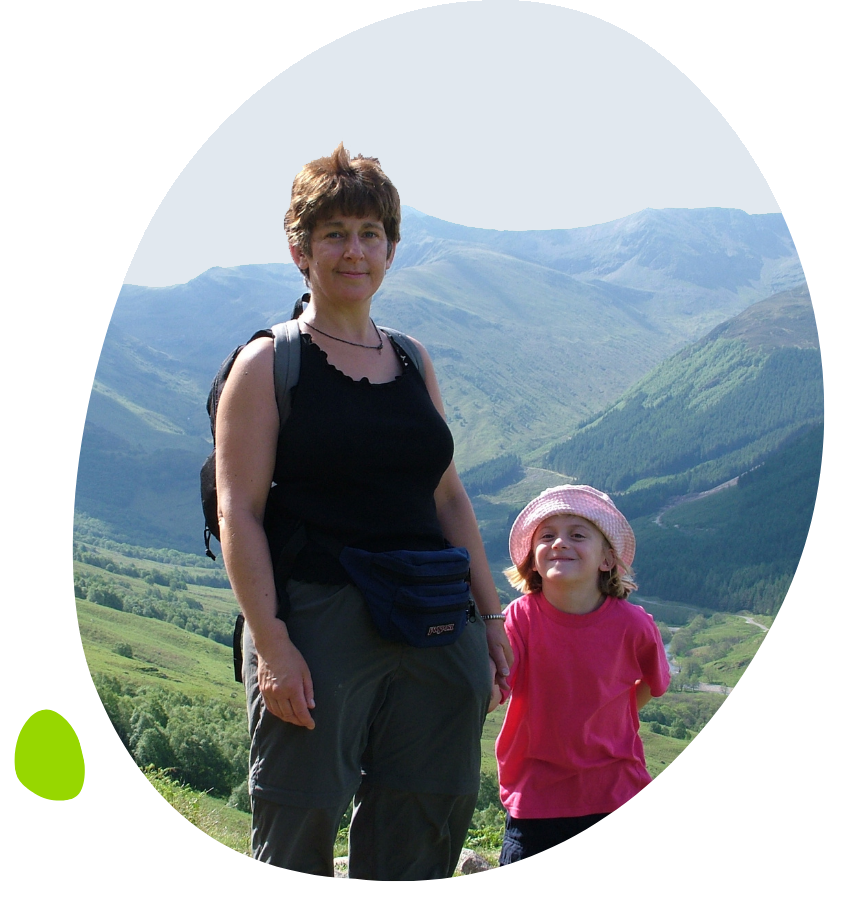
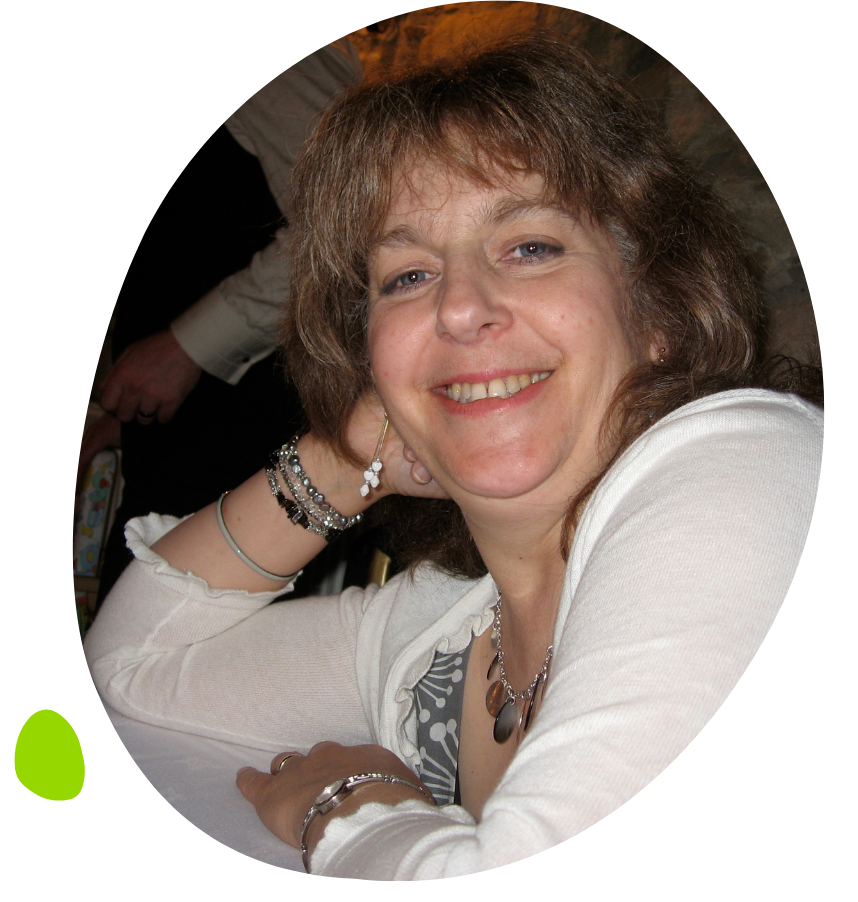
George's Mito Mission George's mum smiling

My mission is to help

raise awareness

If telling our story helps just one person feel less alone then it will make our mission worthwhile.

It is important that treatments are

found for mitochondrial disease.

To help this happen, even in a small way feels like a lovely legacy for our mum, and our dad too.

Any support is

much appreciated

Get involved and

support George's cause.

George logo no strap

Any funds raised by George’s mission goes to My Mito Mission’s
central funds to be granted towards research and support projects
to benefit everyone affected by mito.

Spreading the word, following, sharing, as well as donating and raising funds are all really helpful and valued. From running a race to holding a bake sale, hosting a collecting can to giving out George’s Mito Mission leaflets – there are so many ways in which you can get involved.

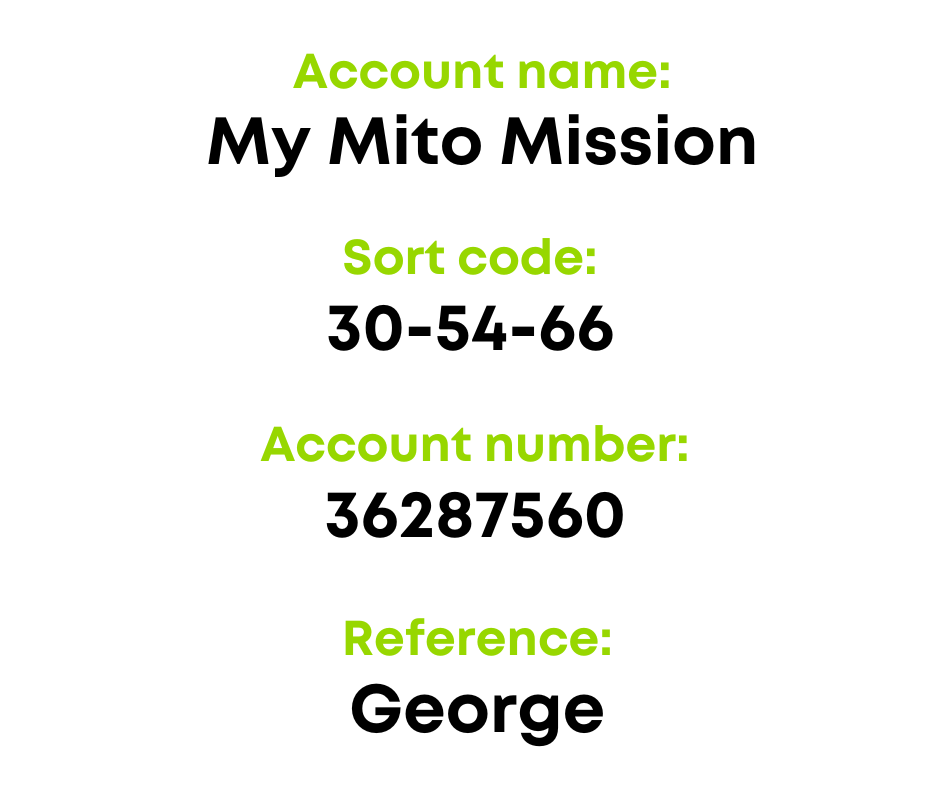
If you’d simply like to donate to George’s mission, choose a way that suits you below.

Be a Part of Project 1000 Strong

Regular donations are the most powerful way to support our vital work, allowing us as a small, high-energy charity to plan and build from a strong foundation.

Strengthening the future of mito awareness, support and research.

We need a 1000 strong team of amazing people to donate any amount from just £2 a month. 1000 is a lot, but – one by one – we know that we can reach it.  Find out more here.

Support George by Joining Project 1000 Strong!

For any other amount or frequency (eg weekly, quarterly, annual), simply contact us

Fundraise for George’s Mito Mission

We’d love your support with our fundraising… and we can provide supporting materials. Just ask!

Just Giving
Set up a fundraising page (Use the orange ‘Fundraise For Us’ button)
Facebook for mission pages
Set up a Facebook fundraiser by clicking above and searching for 'My Mito Mission'
Sponsor form
Download a sponsor form to print off by clicking the image above
collection can for mission pages
Support materials such as buckets, cans, leaflets and more
collection box for mission page
Ask anyone you know to have a Change Box, Small change - Big difference!

Fundraise and shop!

Ebay logo
Find our ebay shop easily by clicking 'Save seller'
vinted logo
Visit our second hand clothing shop and follow our account
amazon Wishlist logo
Support us by purchasing something from our Amazon Wishlist
Give as you live
Support us for free at 100s of stores - click the ‘Find your charity’ button
Paypal Giving Fund
Click the heart under our charity number to set us as your favourite charity

Other ways you can support us

Nominate our charity
Nominate George's mission for support at your work or club
Donate to our cause
Collect saleable, used items that we can sell in our ebay shop
Visit our shop
Check out the merch in our shop to raise awareness and funds
Talk to club or organisation
Let us talk to your organisation about our cause
Attend our events
Come to our events and help us raise vital mito awareness and funds

Visit our Support Us page for more inspiration!

Every like, comment and share counts.
Check out My Mito Mission’s Facebook Page, Twitter & Instagram too!
George logo no strap