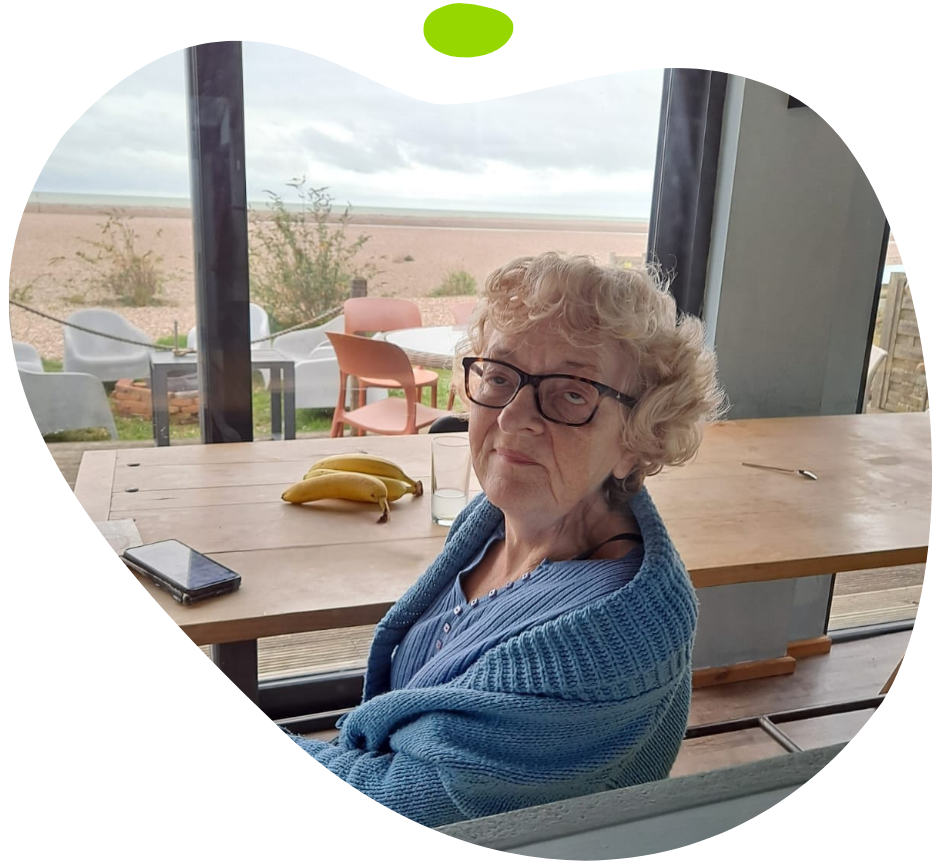
Hello. I'm Laura and my story tells of how I received not only one difficult diagnosis - mitochondrial disease - but also a second challenging diagnosis just a few years later.
My grandad was the first person we’re aware of in our family who had mito symptoms, before anyone had heard of mitochondrial disease, but of course it could go back many generations. Grandad began to develop weaknesses in his 50’s, with undefined conditions and died at 63. Then my mum – his daughter – started with similar symptoms when she was around 50.
We had previously been led to believe that it wouldn’t pass down, because mito commonly comes down the female line through the mitochondrial DNA (the DNA found in the mitochondria). However, it’s now known that the variant affecting our family can also be caused by a fault in the nuclear DNA (the DNA found in each cell’s nucleus) which can be passed down by either parent. This fault in the nuclear DNA causes the mitochondrial DNA to become faulty and symptoms to occur in adulthood.
It’s called Mitochondrial Chronic Progressive External Ophthalmoplegia (CPEO), caused by a fault in the TWNK or ‘twinkle’ gene.
Me and my three siblings had a muscle biopsy which indicated that it was just me who had inherited it. At that time my only symptom was ‘droopy’ eyelids – or ptosis as it’s known – which can be a common feature of mito.
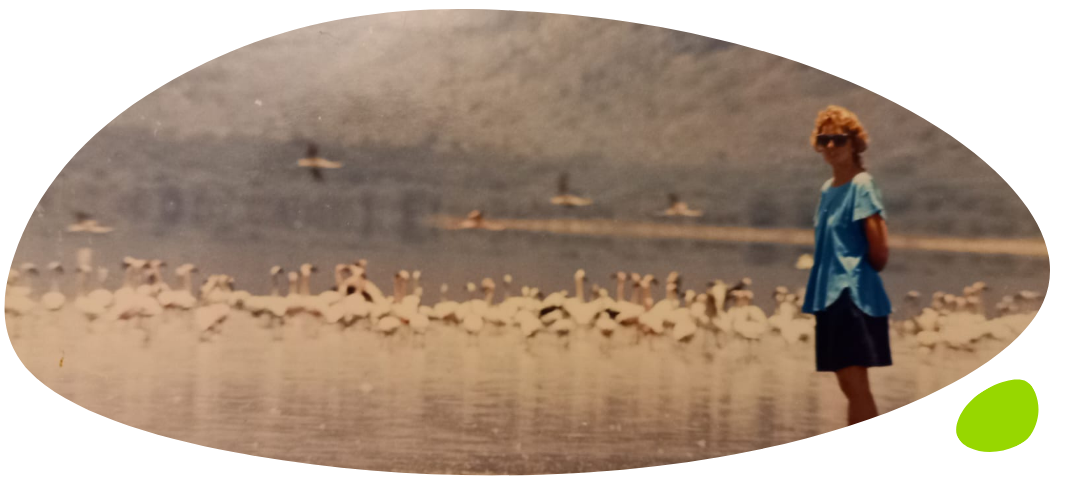
Mum sadly died aged just 63. My own symptoms worsened in my forties whilst I was teaching at Lambeth College in Art & Design, and I started having eye weakness and double vision. Despite this I was relatively well and loved to travel, including working in Kenya for three years. I didn’t really know what the future would hold health-wise for me, so wanted to do as much as I could, while I could.
By 55 the fatigue became too much, and I retired on health grounds.
It was Parkinson’s.
Although unrelated to the mito diagnosis, it’s linked in that both involve mitochondrial dysfunction. It’s hard to know what symptoms are due to what sometimes, especially when I’m fatigued. I have medication for Parkinson’s and the thyroid issues to help manage my conditions as far as possible and I have annual check-ups at the London Rare Mitochondrial Disorders Clinic.
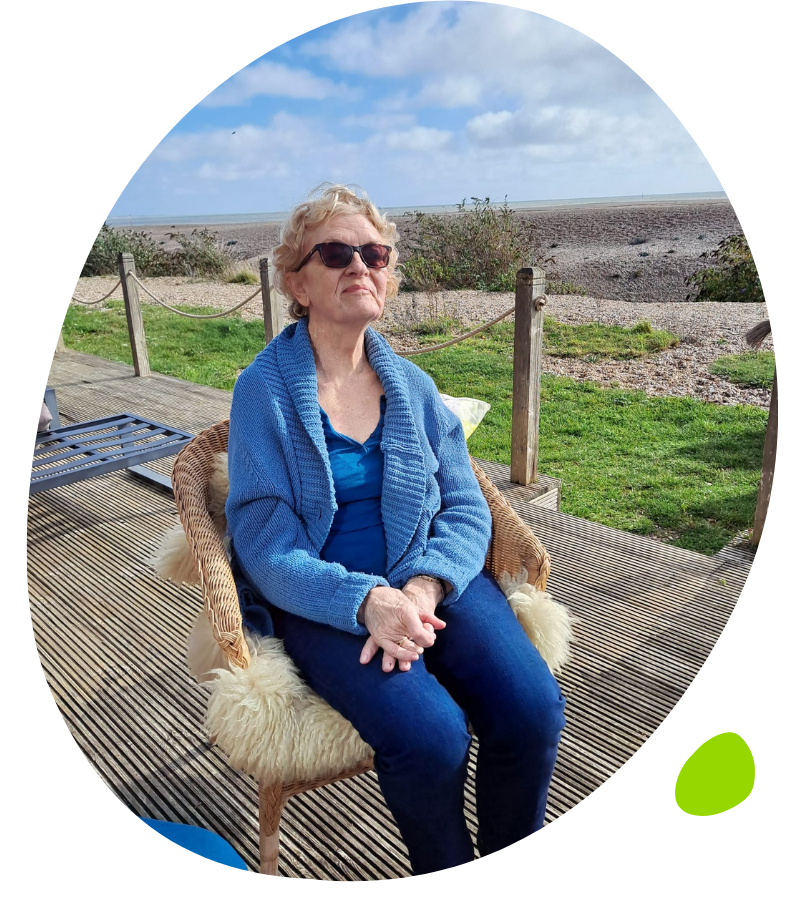
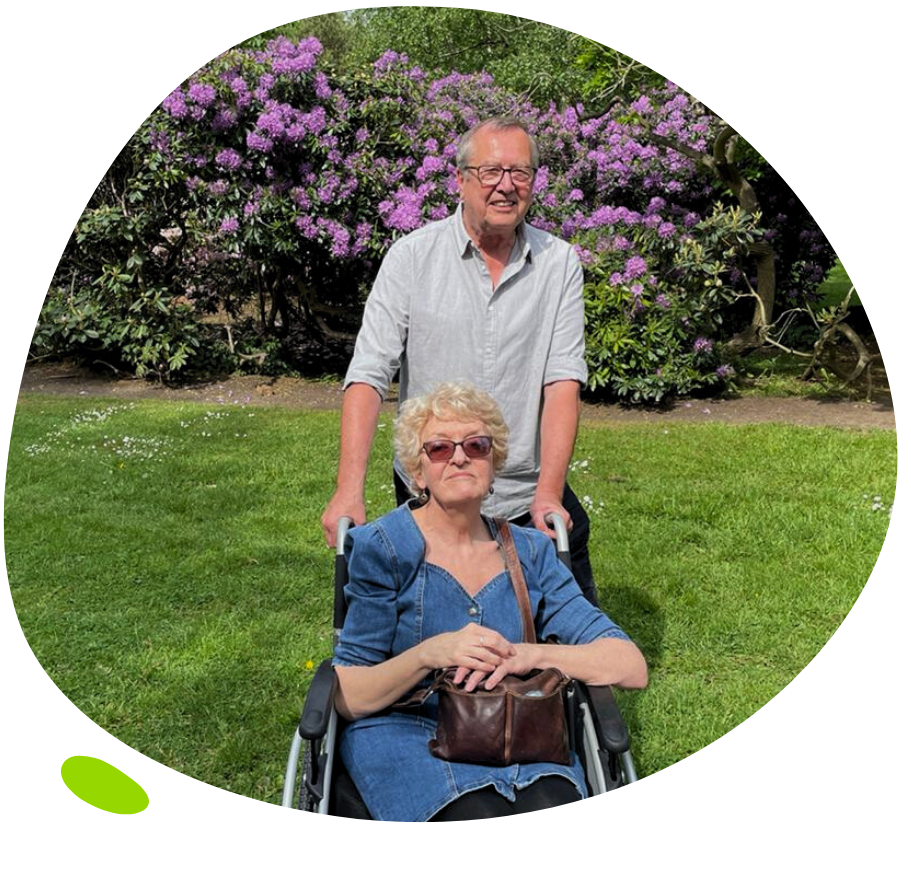
Although my illnesses restrict what I can do, I have a good support network to live independently and enjoy hobbies such as puzzles, reading and spending time with friends, getting out to exhibitions, meals and walks.
…about mitochondrial disease and how mitochondrial research could help bring breakthroughs for so many other conditions, including Parkinson’s.
The more people who are aware of mitochondrial disease and what it entails, the less those who are impacted will feel isolated.
Any funds raised by Laura’s mission goes to My Mito Mission’s
central funds to be granted towards research and support projects
to benefit everyone affected by mito.
Spreading the word, following, sharing, as well as donating and raising funds are all really helpful and valued. From running a race to holding a bake sale, hosting a collecting can to giving out Laura’s Mito Mission leaflets – there are so many ways in which you can get involved.
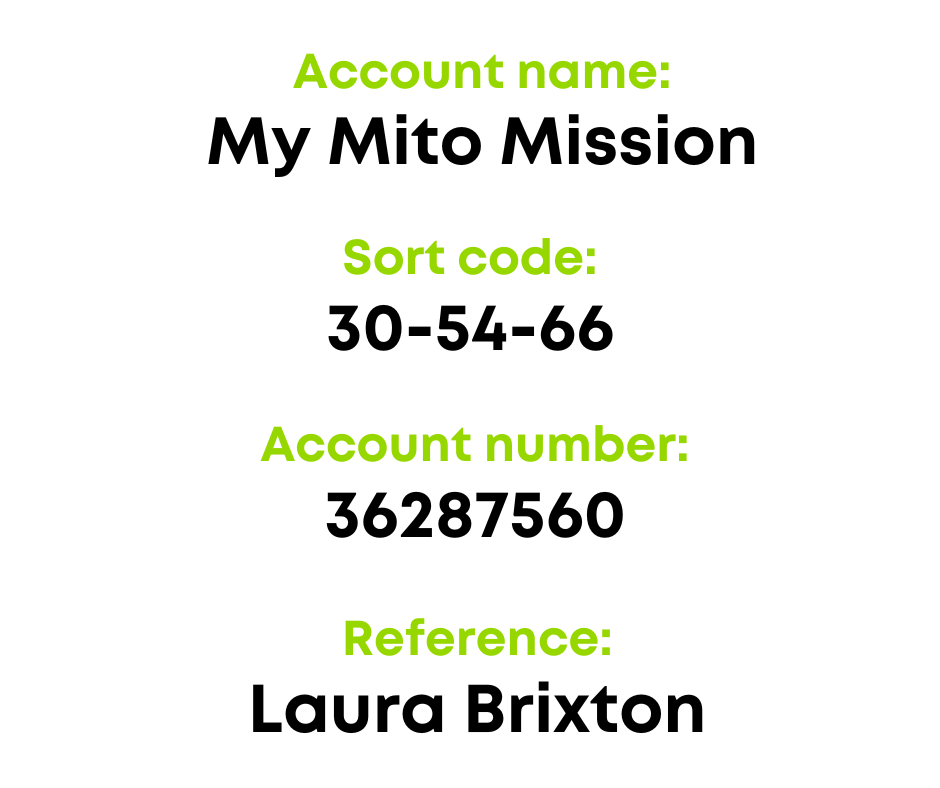
If you’d simply like to donate to Laura’s mission, choose a way that suits you below.
Regular donations are the most powerful way to support our vital work, allowing us as a small, high-energy charity to plan and build from a strong foundation.
We need a 1000 strong team of amazing people to donate any amount from just £2 a month. 1000 is a lot, but – one by one – we know that we can reach it. Find out more here.
For any other amount or frequency (eg weekly, quarterly, annual), simply contact us
We’d love your support with our fundraising… and we can provide supporting materials. Just ask!
Fundraise and shop!
Other ways you can support us
Visit our Support Us page for more inspiration!